
I try to limit the parts of the task to 5 maximum steps. But you can make as many mini steps in between as you want. It depends on the learner, and the caregiver who will be working with the learner to achieve the goal. The task is broken down into smaller parts so the learner gains the skills to do the task as independently as possible.
Performing a task analysis helps you understand the procedures and challenges involved in completing a task.
A task analysis is a helpful tool when you have more than one caregiver supporting the learner. It helps the family stay consistent and monitor progress. Also, there’s chaining. You can go forward (starting with the first step) or backward (starting with the last step).
In forward chaining, you focus on the first step of the task analysis until the learner can do it independently. While the learner is learning the first step, you complete the rest. In backwards chaining, you do all the steps until the last one. The learner does the last step. Once it’s mastered, then you give them the last two steps. You keep going until they can do all the steps independently.
Here are some examples of task analysis I’ve used.
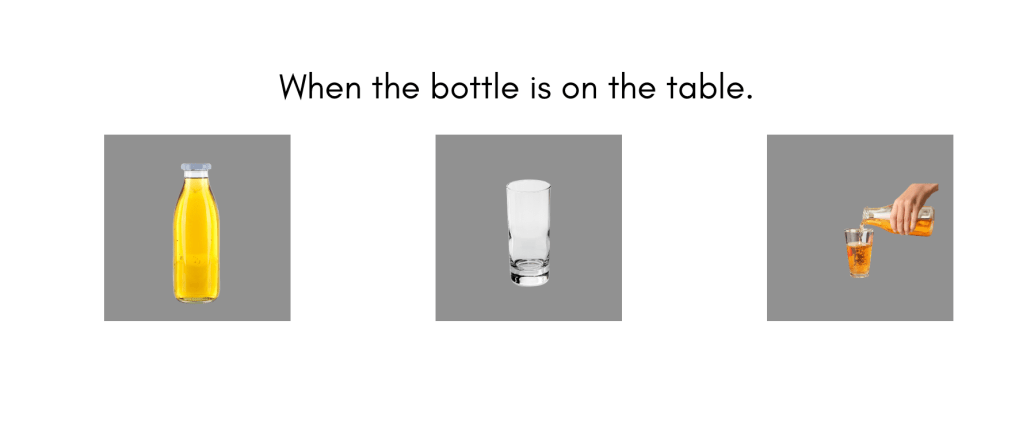
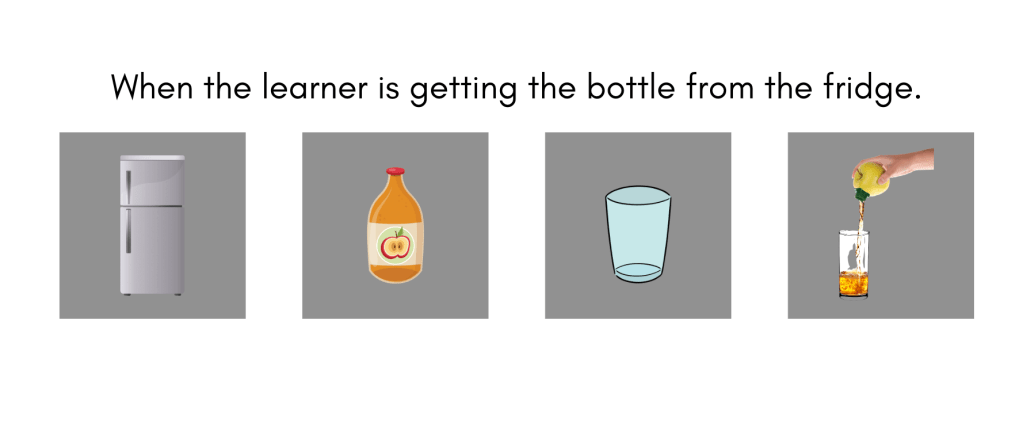
Getting/Pouring Juice

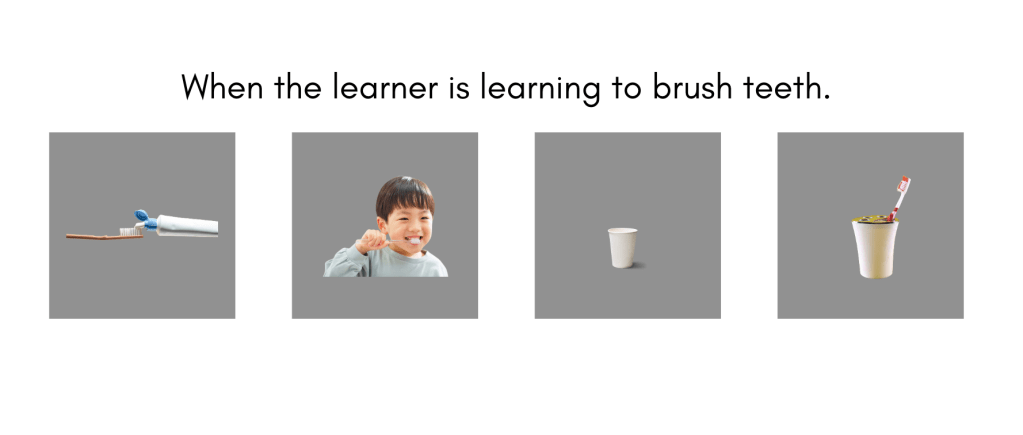
Brushing Teeth
 Align Learning Group